
ENVIRONMENTAL JUSTICE
Challenging Unfair Zoning & Land Use Policies
Modern zoning policies often unfairly harm low-income communities and communities of color, carrying forward the effects of redlining and other past discriminatory practices. We work to promote equitable zoning practices and challenge land use decisions that worsen inequalities.

Zoning and land use are the fundamental policy tools local governments use to determine what buildings, activities, and businesses can operate within their jurisdiction.
Local government land use regulations, usually called a Land Use Ordinance (“LUO”), Land Development Ordinance (“LDO”) or Unified Development Ordinance (“UDO”), are issued by the local government, often a City Council or County Commission, in accordance with an overall Comprehensive Use Plan (“Comp Plan”).
How We Challenge Unfair Zoning & Land Use Policies
Statutes of limitations in zoning and land use matters can be as short as 30 to 60 days, effectively preventing communities from being able to organize, fundraise, and obtain private counsel to challenge adverse zoning determinations. SCSJ aims to fill this gap with rapid response litigation services, bringing zoning challenges on behalf of impacted rural, overburdened, and lower-income communities and communities of color to prevent further concentration of polluting and extractive industries in these areas and advocates for proactive zoning policies like housing diversification and density, affordable housing, mixed-use development, transit-oriented development, and inclusionary zoning. We seek to defend historic Black neighborhoods, low-income communities, rural areas, and Black and Brown property ownership rights from erasure and exploitive zoning processes in the North Carolina courts.
SCSJ provides strategic advice and counseling and testifies at public hearings on behalf of impacted communities in an effort to prevent harmful zoning changes from being enacted, and where possible works with municipal decision-makers, industry representatives, and state and federal government officials to improve environmental justice and avoid the need to resort to litigation where possible.
SCSJ offers communications capabilities and support to community-based organizations to amplify impacted residents’ voices in zoning and land use matters.
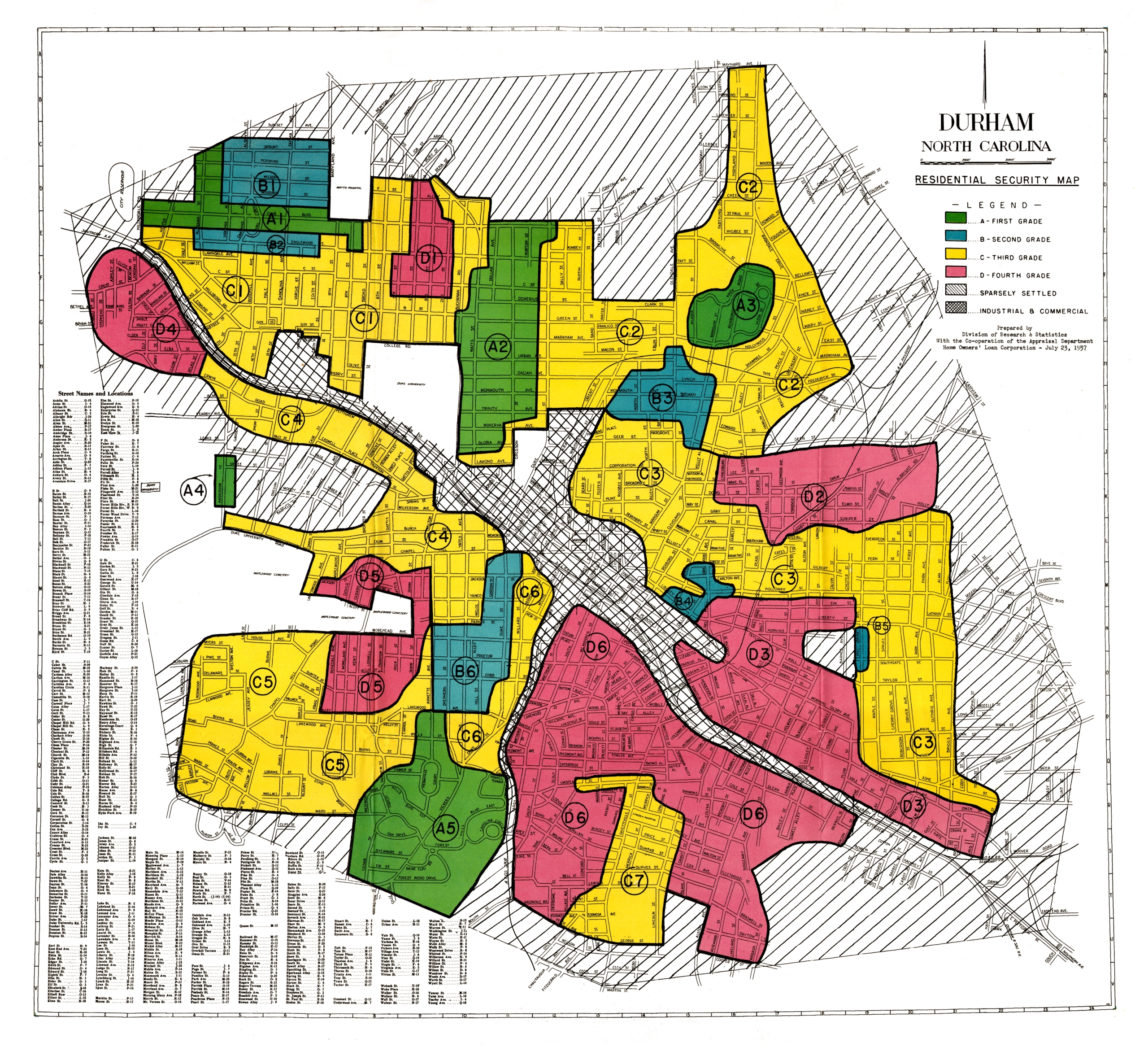
Because zoning maps dictate a particular land use, such as “residential,” “rural,” “commercial,” or “industrial,” industrial uses tend to become concentrated in particular areas, often in lower-income neighborhoods, resulting in cumulative burdens of pollution, lack of access to green space, lower-quality community infrastructure, and industrial traffic falling disproportionately on lower-income communities, often communities of color.
Modern zoning policies have disproportionately adverse impacts on low-income communities and communities of color as a byproduct of historical redlining and other discriminatory policies. These entrenched land use policies systematically sacrifice these communities to predatory economic development and industrial exploitation.
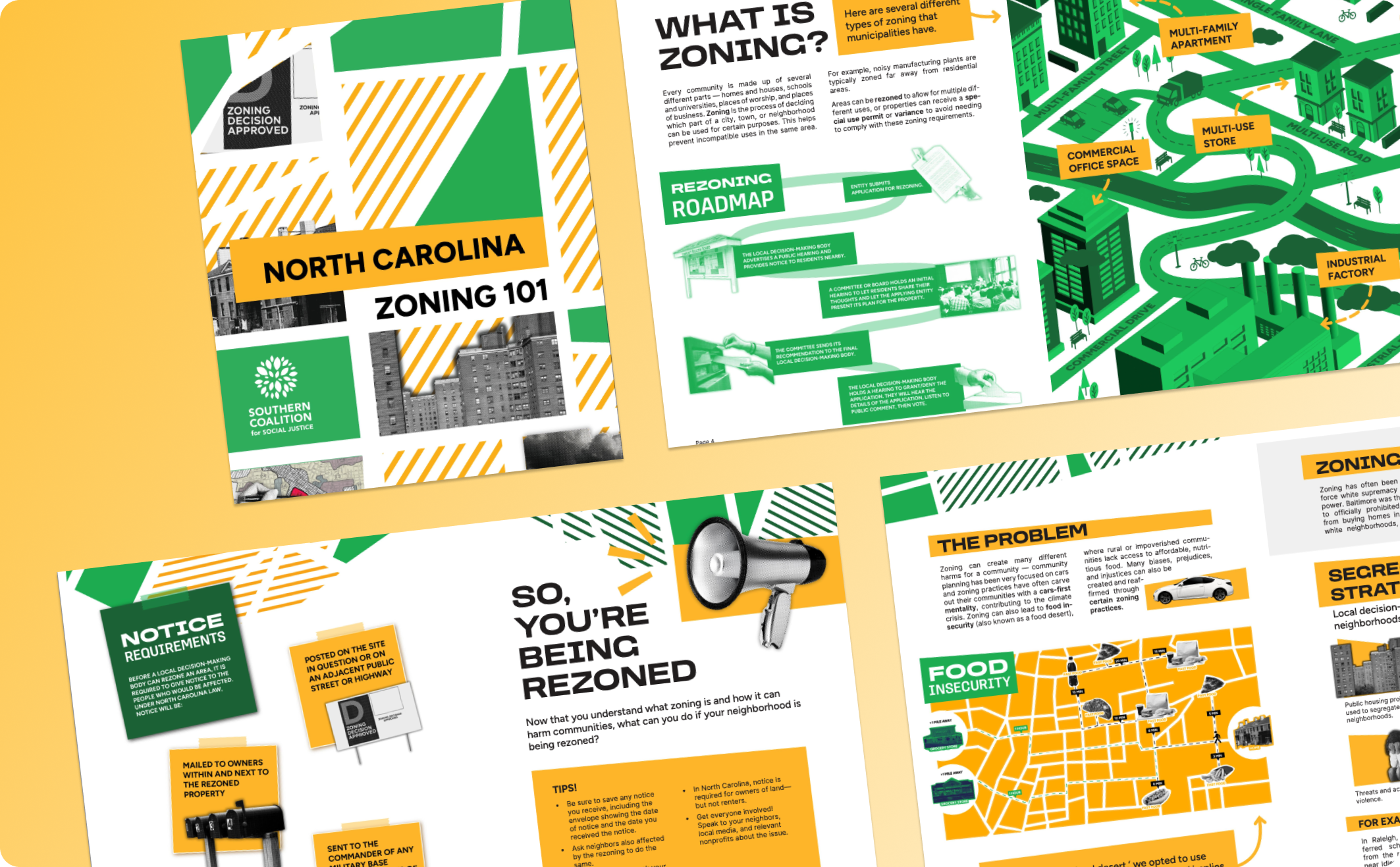
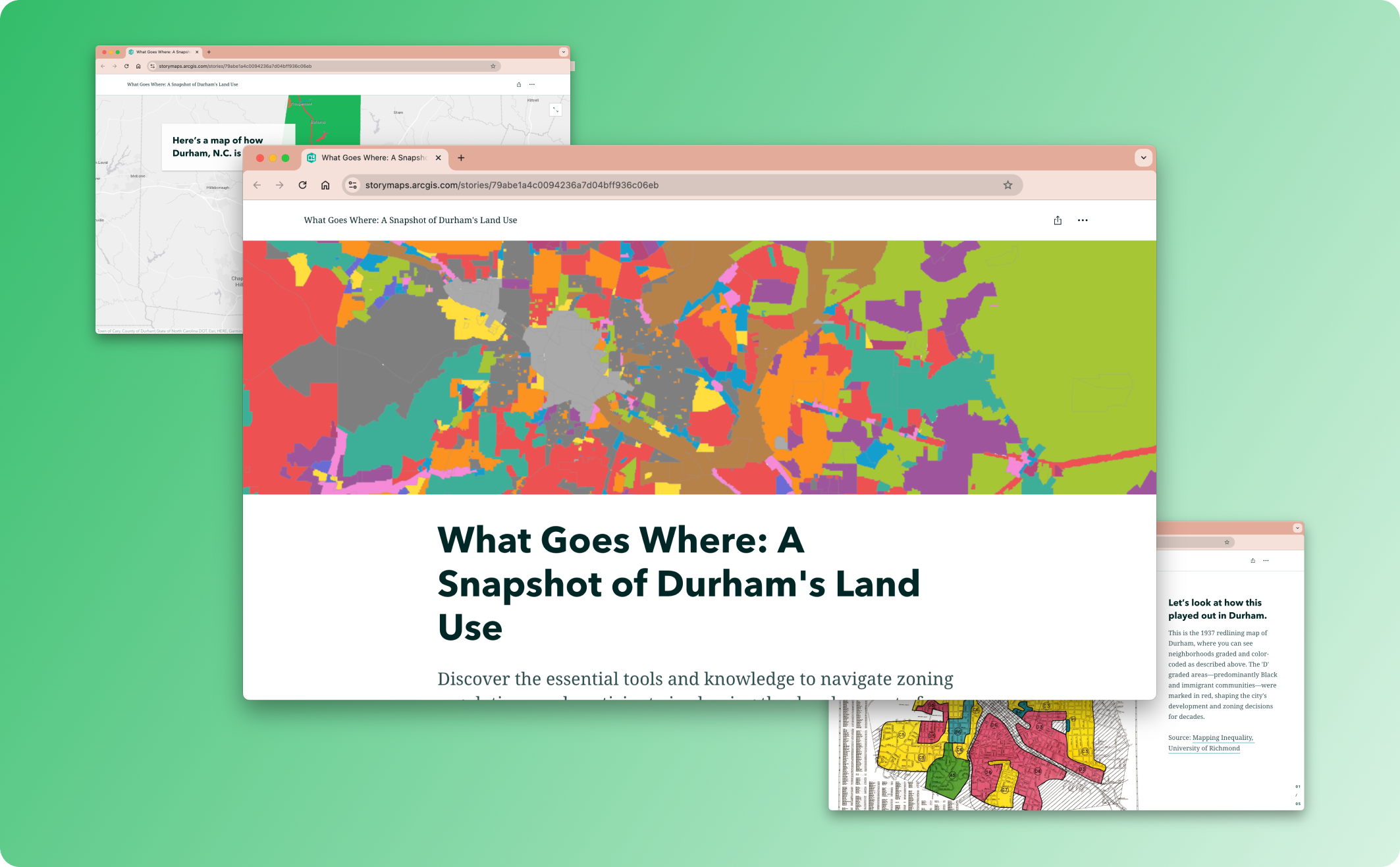
Zoning & Land Use Resources

Zoning & Land Use News
Community Groups, Residents File Lawsuit Over Stokes County Data Center Rezoning
DANBURY, N.C. (March 12, 2026) — Community groups and Walnut Cove area residents filed a lawsuit today in an effort to protect a way of life that has defined the Dan River corridor for generations — one built around farms, forests, and rural communities, that is now threatened by the county’s decision to allow an…
Read More Community Groups, Residents File Lawsuit Over Stokes County Data Center Rezoning
Person County Residents Fight to Be Heard on Industrial Rezoning
ROUGEMONT, N.C. (Sept. 8, 2025) — Person County residents, with the help of Southern Coalition for Social Justice (SCSJ), continue fighting against a controversial rezoning decision made in favor of the proposed Moriah Energy Center (MEC) — which remains an environmental concern. SCSJ filed a brief Monday with the North Carolina Court of Appeals requesting…
Read More Person County Residents Fight to Be Heard on Industrial Rezoning