
Life in New Orleans
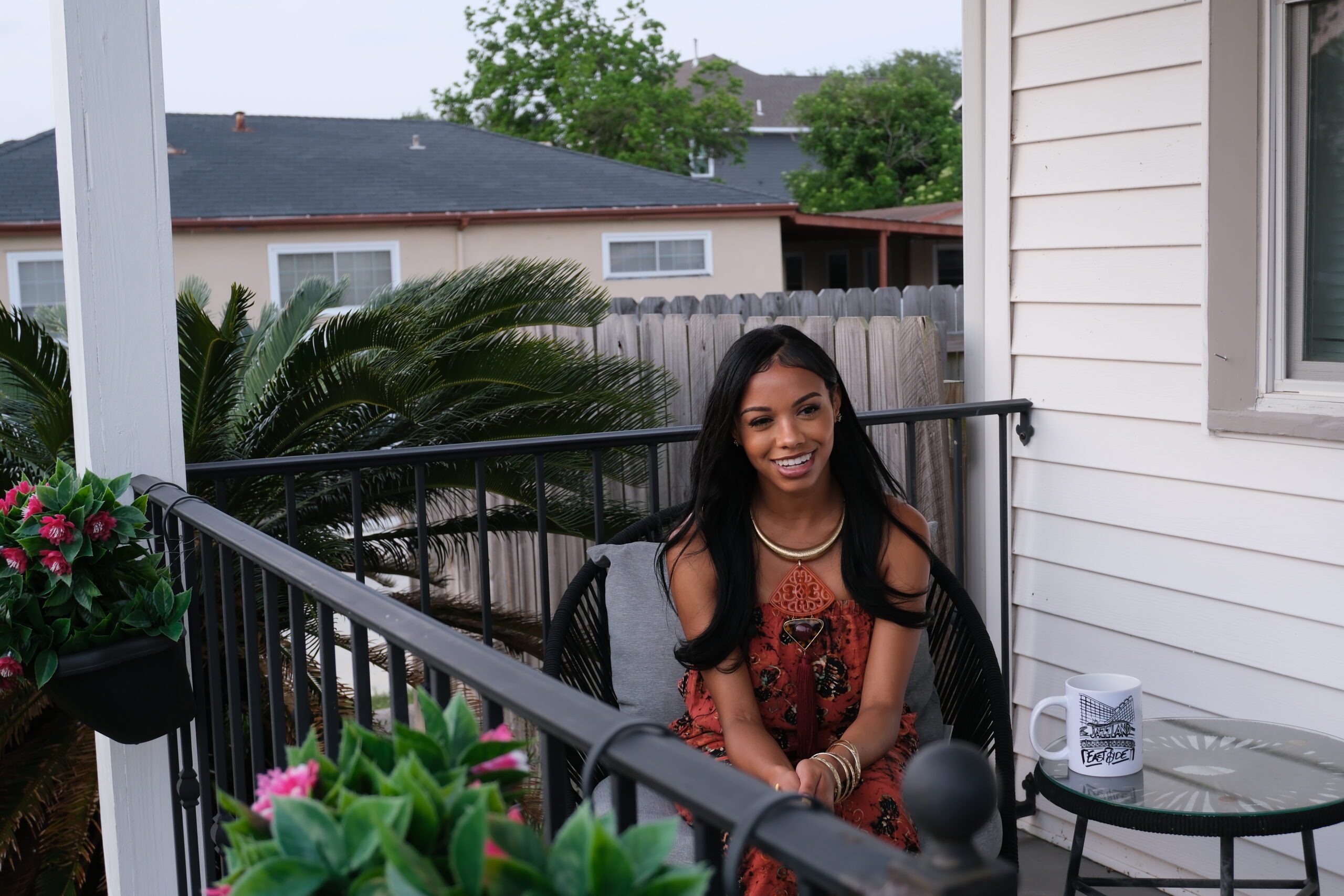
Cierra Chenier grew up inside the rhythms of New Orleans: red beans on Monday, crawfish season, and the particular energy of a city that moves by its own calendar. After Hurricane Katrina disrupted her community’s routines, she came to understand what those rituals actually meant — it wasn’t just culture or habit, but something worth fighting for.

Homegrown Historian
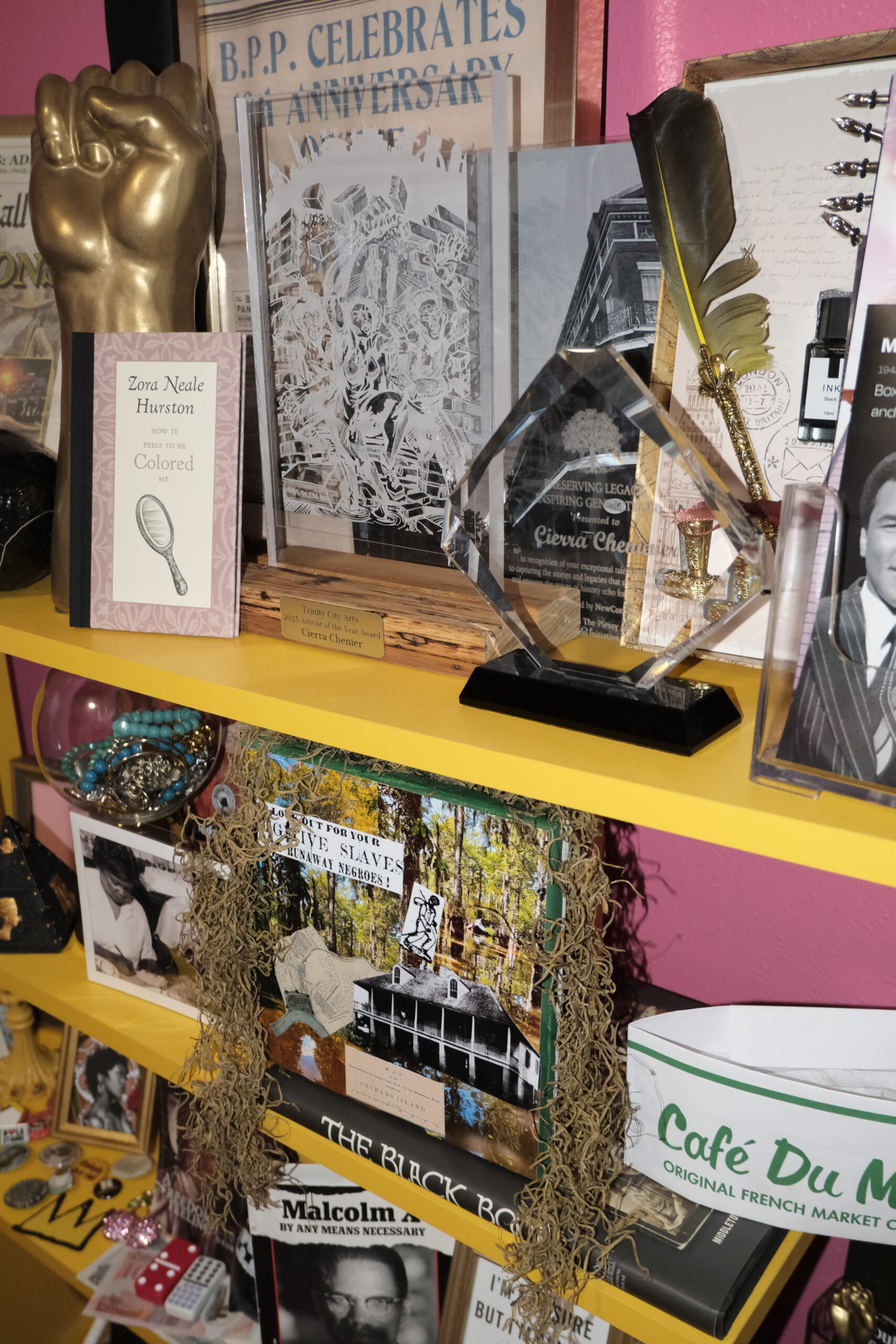
Cierra became a historian and storyteller of Black New Orleans history, dedicated to documenting and preserving the ancestral traditions, cultural legacy, and living memory of her city and its people.
This is her story about what it means to call a place home.
Louisiana Statistics
NOLA Festivals
Festival season is an economic and community life force in New Orleans. The 2026 New Orleans Jazz & Heritage Festival drew 475,000 fans over two weekend. Only 350 attended the first jazzfest in 1970, with the number of attendees steadily increasing each year.

Crawfish Capital
Crawfish economy and Louisiana foodways as a living tradition. 90-95% of all crawfish eaten in the United States comes from Louisiana. More than 1,600 farmers and 800 commercial fishers in Louisiana harvest roughly 130 million pounds of crawfish annually.

A Community of Support
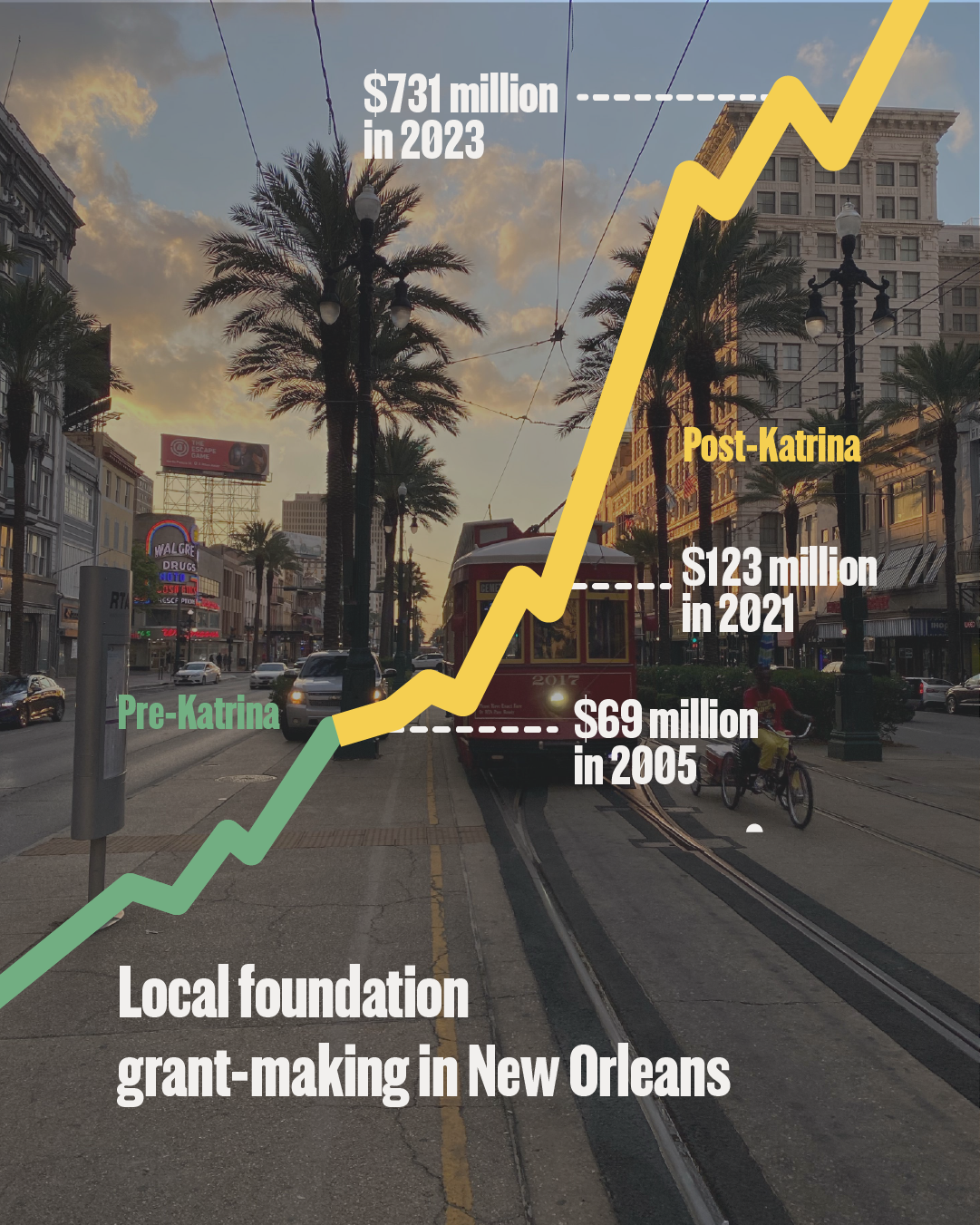
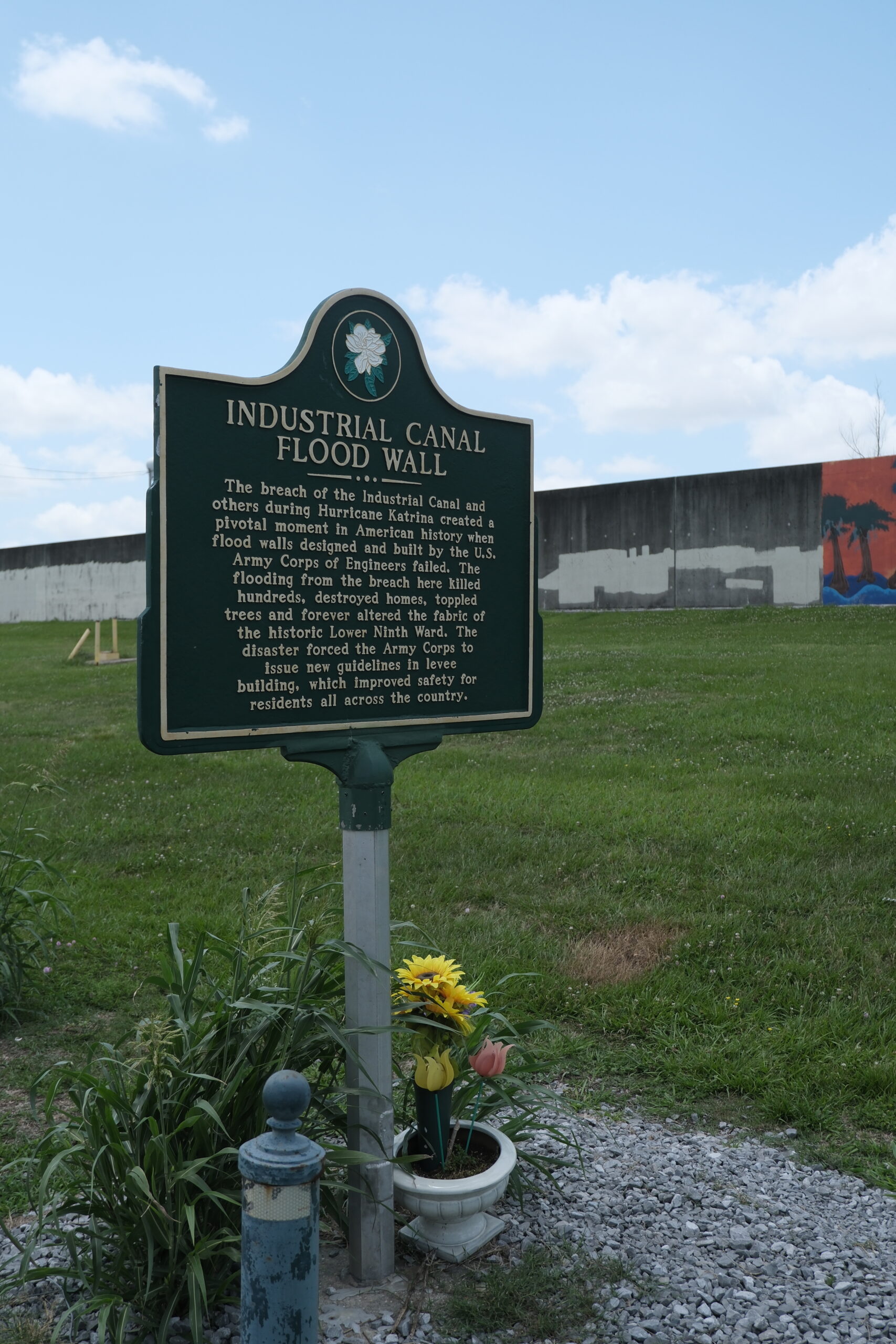
Hundreds of thousands of people were displaced by Katrina. Post-Katrina, local foundation grant-making nearly doubled, from $69 million in 2005 to more than $123 million in 2021. In 2023 alone, over $731 million in grants flowed into the region.
Behind the Scenes


Katie Crisp's Reflection
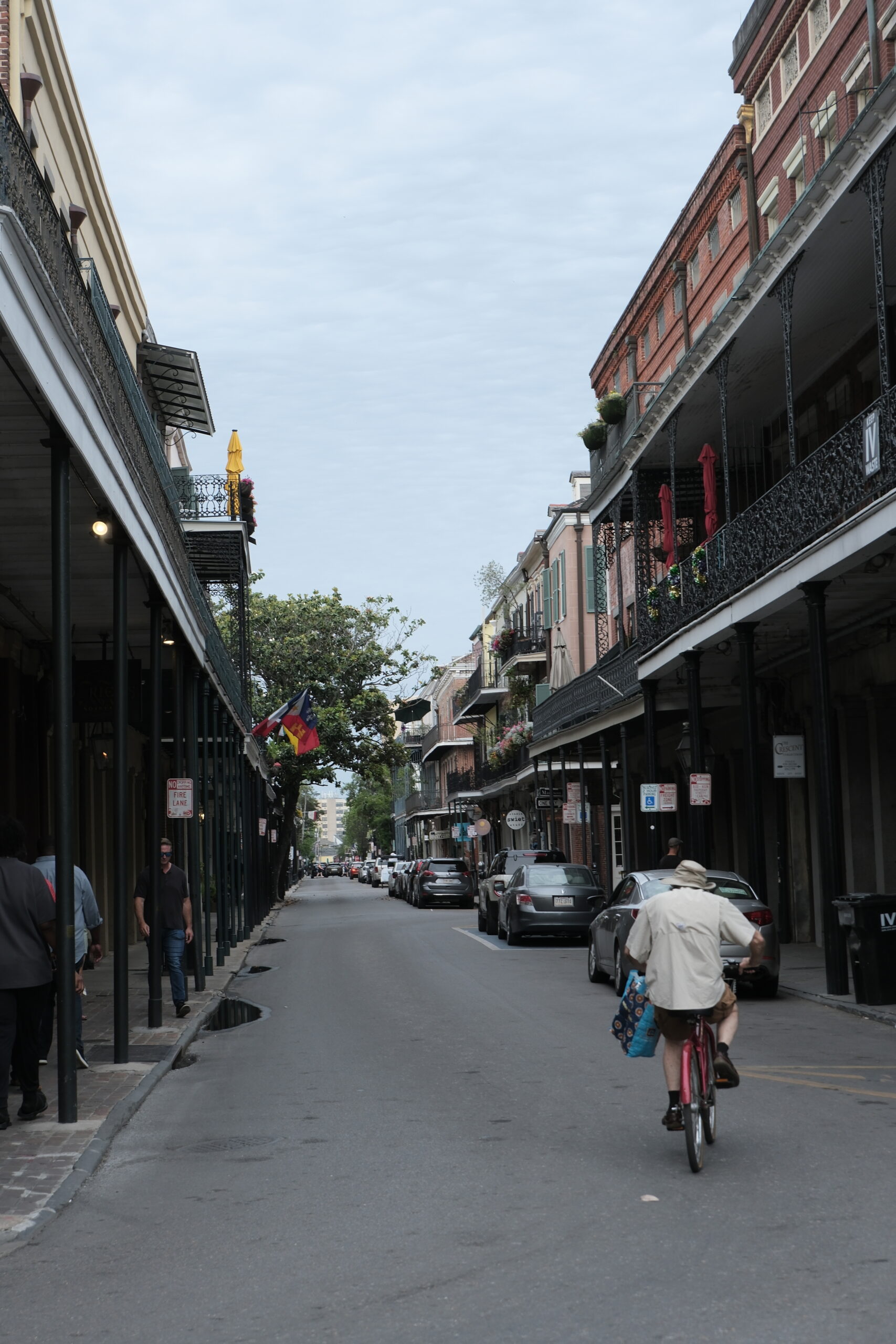
I feel very fortunate to have spent time with Cierra during our visit to Louisiana. When we met up in April, even though it wasn’t, it felt like my first time in New Orleans.
When you hear Cierra speak about New Orleans, you wish for your own home to be described with the same grace and love. You can’t help but feel lucky to be in New Orleans. In a time where most people are looking for quick hits and avoiding the past, learning from Cierra inspires you to move differently.
When Cierra shared why she would never miss Mardi Gras, it really struck a chord with me. It’s those times with family and friends that are truly priceless. It made me think of the holidays I’ve gotten to spend with my loved ones. Making the same pie and playing the same games with my cousins every year, even now as adults.
Cierra stirs a curiosity in you to look at your own story, think about your own rhythms, and to appreciate those of others. She reminds you that you don’t really know a place unless you meet the people who call it home.
Last but certainly not least, without Cierra, I would have never had the best oysters I’ve ever had in my life. The chargrilled oysters at Felix’s (the location on Lake Pontchartrain).
I can’t wait for folks to connect with Cierra’s words. Thank you, Cierra, for your time and your stories.
— Katie Crisp, Community Outreach Coordinator at SCSJ